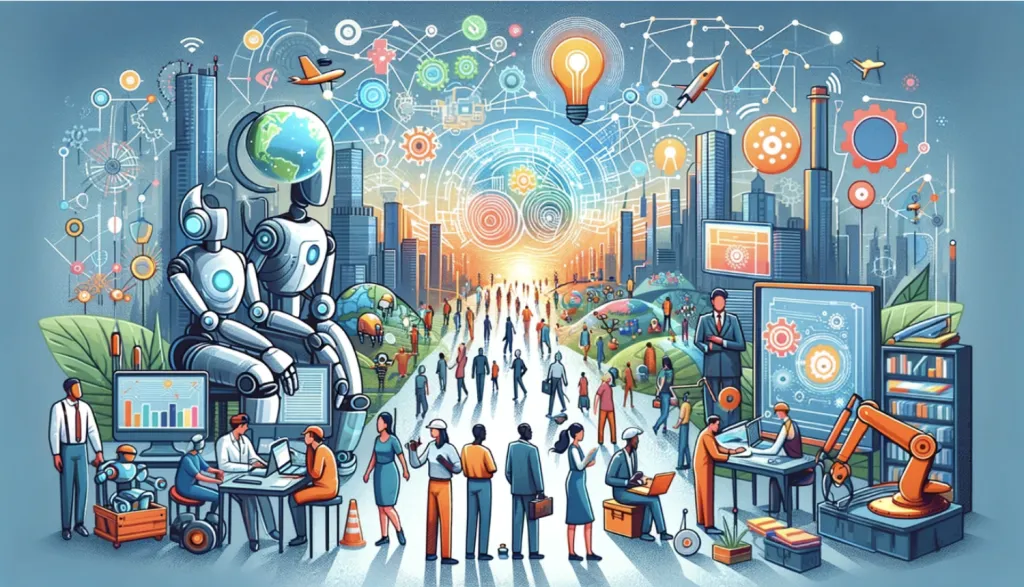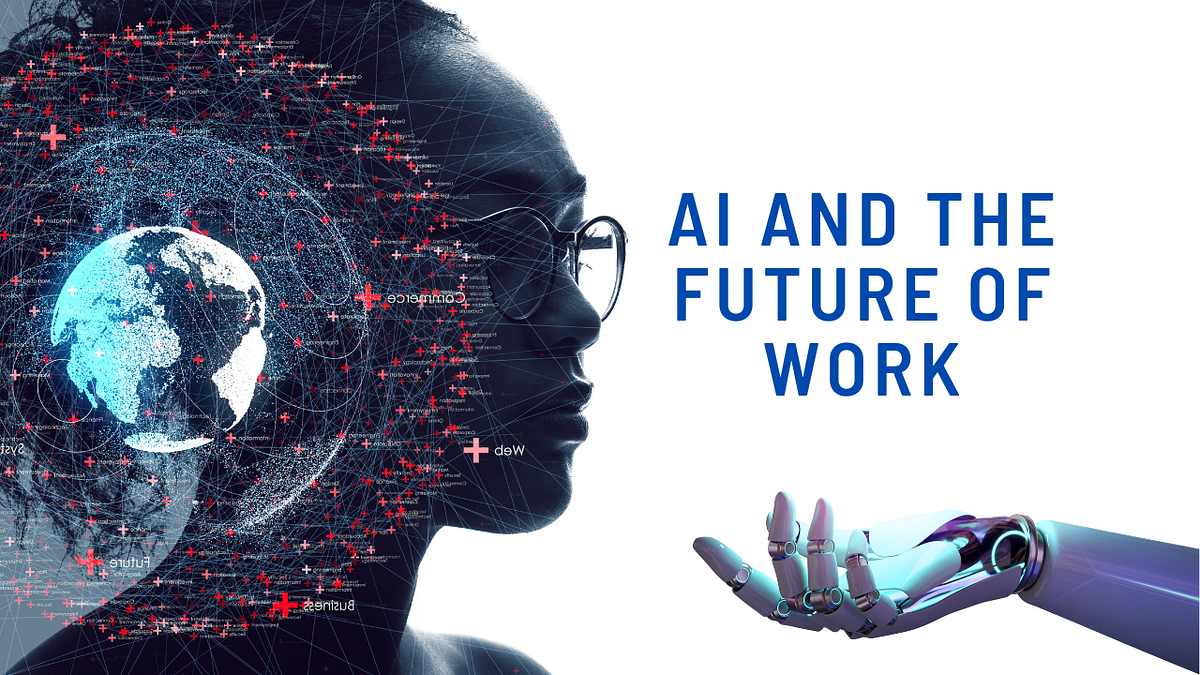
Artificial Intelligence is fundamentally transforming the global workforce.
From automating repetitive tasks to creating entirely new job categories, AI is reshaping careers, redefining required skills, and shifting how people learn and work.
Here’s how AI is shaping the workforce of the future — and what it means for every professional.
🧑💼 1. Automation of Routine Tasks
AI handles repetitive and predictable work such as:
-
data entry
-
scheduling
-
quality control
-
customer support
-
financial reporting
This frees employees to focus on creative, strategic, and high-value tasks.
🤖 2. New Jobs Emerging from AI
While some jobs change or disappear, AI creates new opportunities such as:
-
AI trainers
-
prompt engineers
-
data annotators
-
automation specialists
-
AI ethicists
-
robot maintenance technicians
The job market is evolving — not shrinking.
🎓 3. Demand for New Skills
Future professionals will need skills like:
-
AI literacy
-
data analysis
-
creative thinking
-
emotional intelligence
-
digital communication
-
adaptability
Human strengths combined with technological understanding will be essential.
🧠 4. Human-AI Collaboration
The most successful teams will work with AI, not against it.
AI supports humans by:
-
offering insights
-
reducing workload
-
improving accuracy
-
enhancing decision-making
-
generating creative ideas
Human judgment + AI intelligence = a powerful partnership.
📈 5. AI Upskilling and Reskilling
Companies are investing in training workers to adapt to new tools.
Examples include:
-
AI-assisted software training
-
digital transformation programs
-
online courses for data literacy
-
workplace automation workshops
Continuous learning becomes a priority.
💼 6. AI in Recruitment and HR
Hiring is changing through:
-
AI-powered candidate screening
-
bias detection
-
skills-based hiring
-
automated interviews
-
predictive performance analysis
The workforce becomes more inclusive and efficient.
💡 7. Entrepreneurship and AI Tools
AI empowers entrepreneurs by offering:
-
instant branding
-
content creation
-
market analysis
-
automated workflows
-
low-cost startup tools
Starting a business is easier than ever.
⚠️ 8. Ethical and Social Challenges
AI and workforce changes raise concerns:
-
job displacement anxiety
-
economic inequality
-
digital privacy issues
-
algorithmic bias
-
over-reliance on automation
Governments and companies must create fair and supportive transitions.
🌍 9. Remote and Hybrid Work Powered by AI
AI supports distributed teams through:
-
real-time collaboration tools
-
intelligent task assignments
-
automated meeting summaries
-
global communication support
This makes remote work more productive and accessible.
🔮 Conclusion: The Future Workforce Will Be Human + AI
Artificial Intelligence is not replacing humans — it is redefining how humans work.
The workforce of the future will be:
-
adaptive
-
creative
-
tech-savvy
-
AI-empowered
-
constantly evolving
Just as StyonArt.com uses AI to enhance creativity and productivity, the workplaces of tomorrow will use AI to enhance human potential.