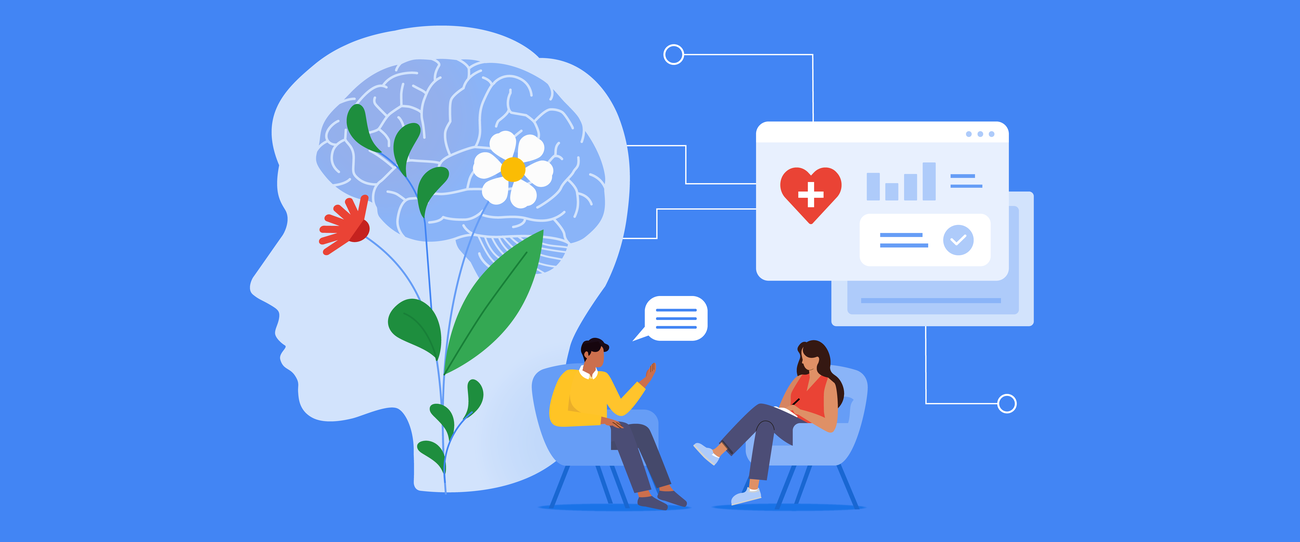
Mental health care is evolving, and Artificial Intelligence is playing a powerful role in making emotional support more accessible, personalized, and effective.
AI does not replace human therapists — instead, it enhances mental health systems, offering new tools that help individuals better understand and manage their emotions.
Here is how AI is transforming psychology and emotional well-being.
💬 1. AI-Powered Mental Health Chatbots
AI chatbots provide immediate emotional support, helping users manage:
-
stress
-
anxiety
-
loneliness
-
negative thoughts
-
daily frustrations
These tools offer guidance anytime, anywhere — especially helpful for people who hesitate to seek therapy.
🧠 2. Early Detection of Mental Health Issues
AI analyzes speech patterns, writing style, facial expressions, and behavioral changes to detect early signs of:
-
depression
-
anxiety disorders
-
burnout
-
cognitive decline
-
emotional instability
Early detection means earlier support and better outcomes.
📊 3. Personalized Therapy Recommendations
AI suggests treatment approaches based on the individual’s:
-
emotional patterns
-
personality type
-
past therapy responses
-
lifestyle
-
stress triggers
This helps therapists tailor sessions more accurately.
🌙 4. Sleep and Stress Monitoring
AI wearables track:
-
sleep cycles
-
heart rate
-
stress levels
-
activity patterns
They provide actionable recommendations to improve mental and physical well-being.
📝 5. Sentiment Analysis for Emotional Insight
AI tools analyze journal entries, messages, or voice recordings to identify:
-
emotional tone
-
positivity/negativity
-
internal conflict
-
mood trends
This helps users understand themselves better and track emotional progress.
🧑⚕️ 6. Supporting Therapists and Psychologists
AI assistants help mental health professionals by:
-
summarizing patient history
-
highlighting emotional patterns
-
monitoring progress
-
suggesting resources
-
managing administrative tasks
Therapists gain more time for meaningful human interaction.
👥 7. Reducing Barriers to Care
AI makes mental health support more accessible for:
-
remote communities
-
low-income individuals
-
people with social anxiety
-
those afraid of stigma
AI democratizes emotional support.
👂 8. Real-Time Crisis Intervention
AI can detect alarming language or behavior and trigger:
-
emergency alerts
-
hotline suggestions
-
contact with a professional
-
real-time crisis responses
This can save lives when immediate help is needed.
⚠️ 9. Ethical Concerns
AI in mental health must address challenges such as:
-
data privacy
-
emotional sensitivity
-
potential misdiagnosis
-
reliance on automated tools
Human oversight remains essential.
🔮 Conclusion: AI Is a Powerful Ally for Mental Health
Artificial Intelligence is transforming mental health care by providing early detection, personalized support, and accessible therapeutic tools.
The future of emotional well-being will be:
-
more personalized
-
more proactive
-
more accessible
-
strongly AI-supported
And, just like StyonArt.com uses AI to empower creativity, AI in psychology empowers people to understand and improve their inner world.