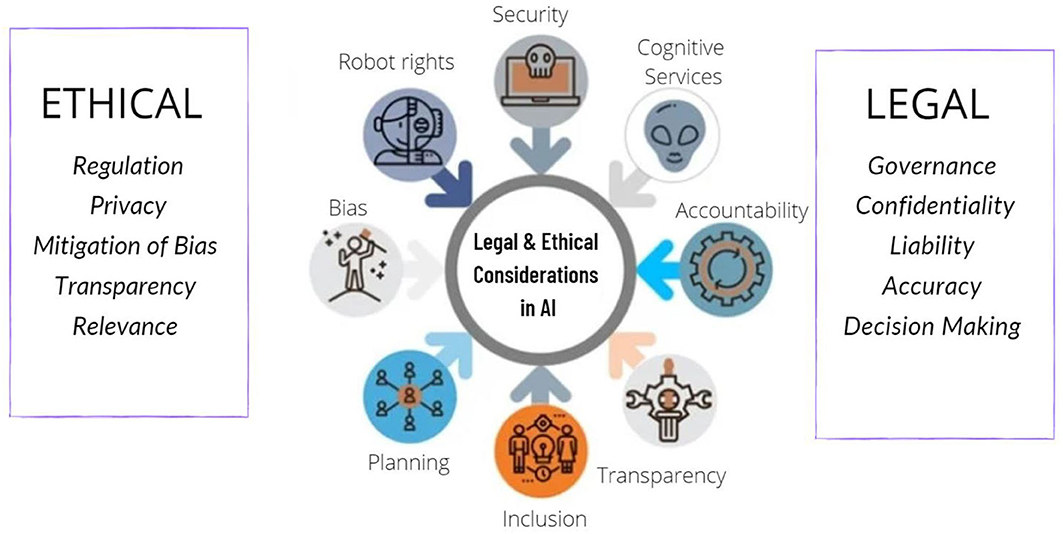
As Artificial Intelligence becomes more powerful and integrated into society, it raises profound ethical questions.
AI influences how we work, live, communicate, and make decisions — but its rapid growth comes with responsibilities and dilemmas that cannot be ignored.
Understanding AI ethics is essential for building a future where technology serves humanity fairly and safely.
⚖️ 1. Bias and Fairness
AI models can unintentionally learn biases from the data they are trained on.
This can lead to unfair outcomes in:
-
hiring decisions
-
loan approvals
-
law enforcement tools
-
medical recommendations
-
social media moderation
Ensuring fairness requires careful data selection, transparent algorithms, and continuous monitoring.
🔍 2. Transparency and Explainability
Many AI systems make decisions that humans cannot easily understand.
Without explainability, we face questions like:
-
Why did the AI choose this outcome?
-
Who is responsible for errors?
-
Can we trust black-box systems?
Explainable AI (XAI) is crucial for accountability and trust.
🔐 3. Privacy and Data Protection
AI systems rely heavily on vast amounts of personal data.
Ethical challenges include:
-
unauthorized data collection
-
surveillance concerns
-
misuse of personal information
-
data leaks and breaches
Strong privacy laws and secure system design are essential.
🧑⚖️ 4. Accountability and Responsibility
When AI makes a mistake, who is responsible?
Questions arise in:
-
autonomous driving accidents
-
medical misdiagnosis
-
financial miscalculations
-
content moderation errors
Clear legal frameworks must determine accountability.
👁️ 5. Surveillance and Civil Rights
AI-powered surveillance systems can threaten:
-
freedom of expression
-
personal privacy
-
public anonymity
-
democratic rights
Ethical governance is required to prevent abuse.
🤖 6. Human vs. Machine Decision-Making
AI is increasingly used to make important decisions.
This raises concerns about:
-
over-reliance on machines
-
replacing human judgment
-
loss of emotional intelligence
-
ethical dilemmas in critical choices
Humans must remain at the center of decision-making.
💼 7. Job Displacement and Economic Inequality
Automation powered by AI may replace certain jobs, creating new inequalities.
Key challenges include:
-
retraining workers
-
preparing the workforce for future skills
-
ensuring fair economic transitions
AI should augment human potential, not diminish it.
🧬 8. Deepfakes and Misinformation
AI can create hyper-realistic fake videos and audio.
This threatens:
-
trust in media
-
political stability
-
personal reputation
-
online safety
Ethical safeguards and detection tools are essential.
🌍 9. Global Inequality and Access
Not all countries or communities have equal access to AI.
This creates:
-
digital divides
-
unequal economic growth
-
limited educational opportunities
Ethical AI must include fairness on a global level.
🔮 Conclusion: Building a Responsible AI Future
Artificial Intelligence is one of the most transformative technologies in human history — but it must be guided by strong ethical principles.
A responsible AI future will require:
-
transparency
-
fairness
-
privacy protection
-
human-centered design
-
global collaboration
Platforms like StyonArt.com show how AI can be used positively to empower creativity — but ethics ensure AI benefits everyone, everywhere.