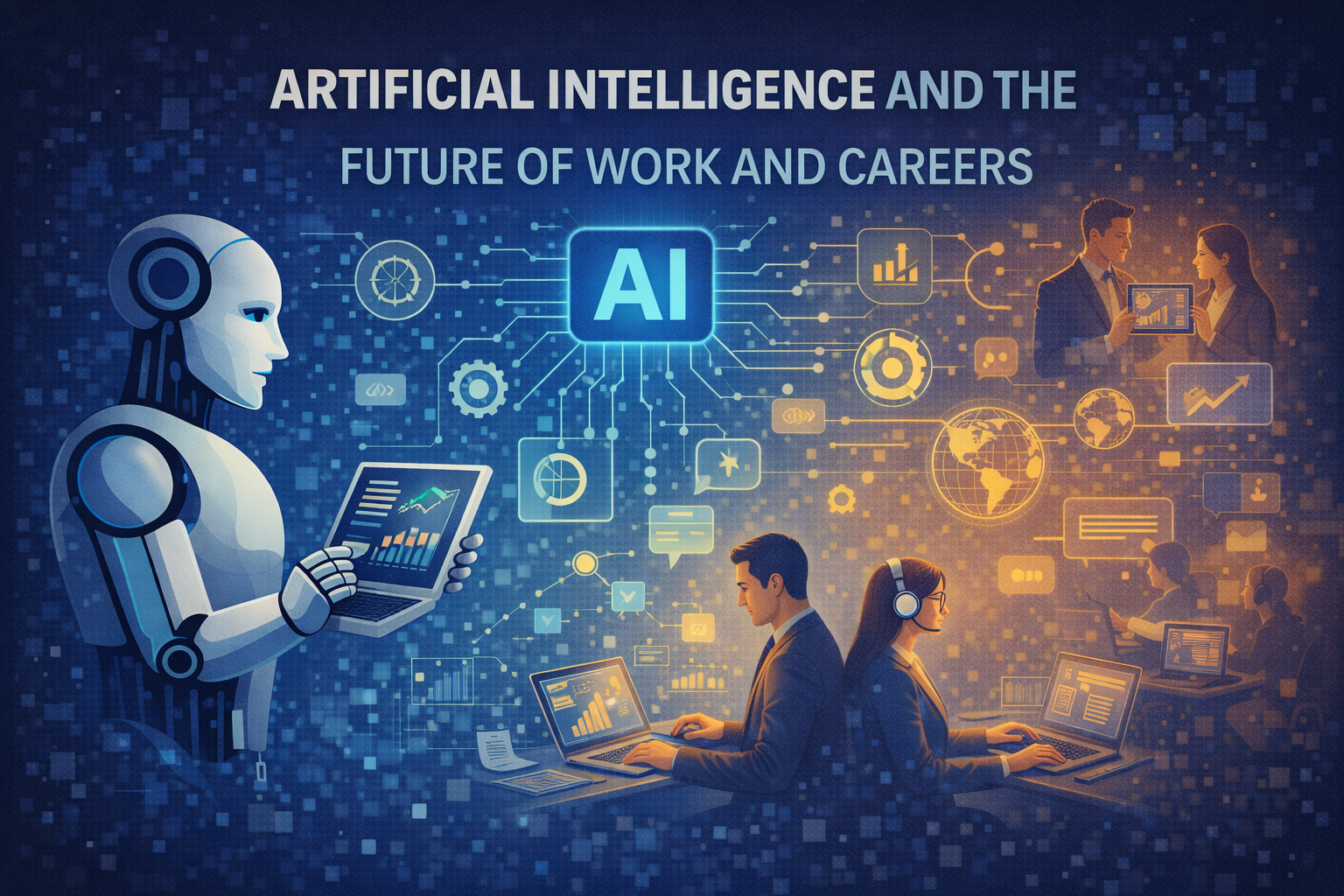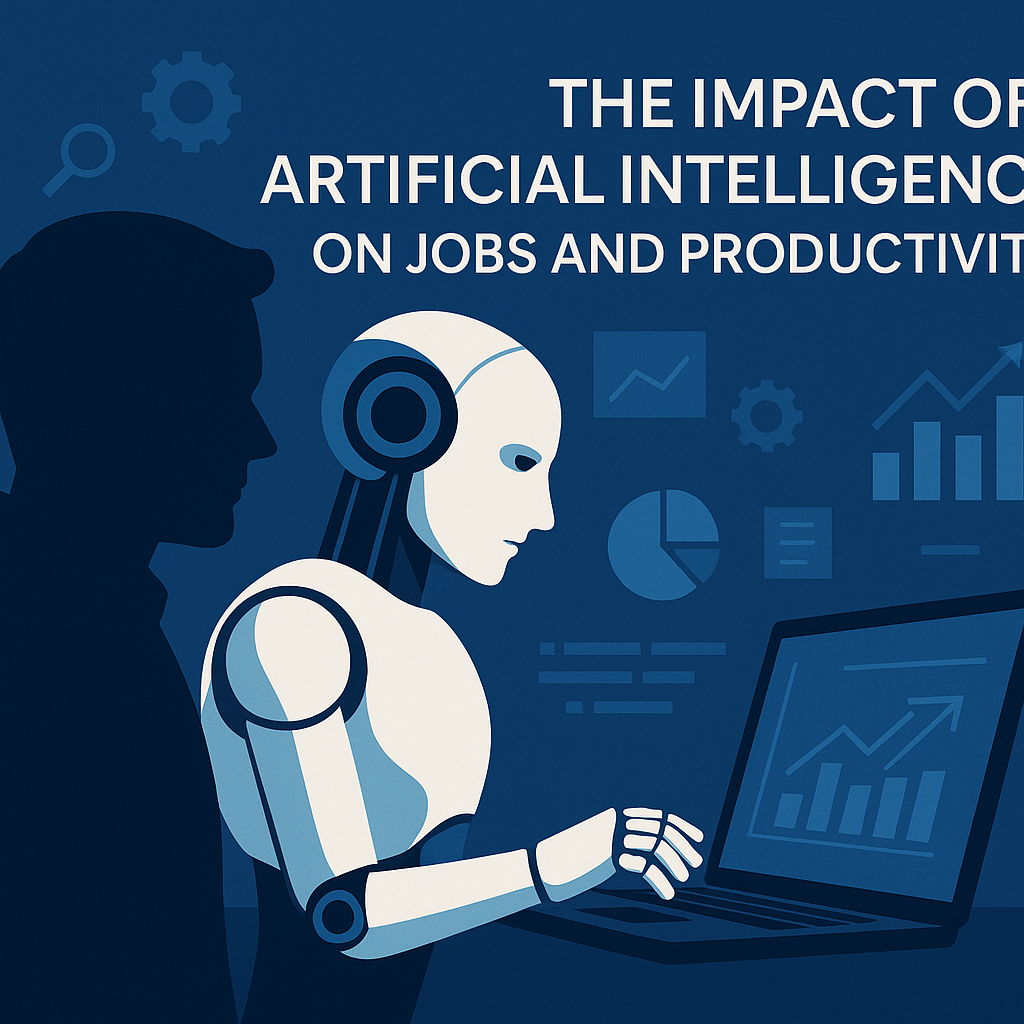
Artificial Intelligence is fundamentally changing how people work and how productivity is measured in the modern economy. Instead of replacing humans, AI is increasingly acting as a powerful support system that enhances performance and efficiency across industries.
One of the biggest advantages of AI is automation. Repetitive tasks such as data entry, scheduling, reporting, and basic analysis can now be handled by intelligent systems. This allows employees to focus on higher-value activities like strategy, creativity, and human interaction.
AI-driven tools also improve decision-making. By analyzing large volumes of data in real time, AI helps businesses predict trends, reduce risks, and optimize workflows. As a result, companies become more agile and competitive in fast-changing markets.
New job roles are emerging alongside this transformation. Professions related to AI development, data analysis, system training, and ethical oversight are in growing demand. At the same time, traditional roles are evolving to include digital and analytical skills.
The future of work is not about humans versus machines. It is about collaboration between human intelligence and artificial intelligence to achieve greater productivity and sustainable growth.