As Artificial Intelligence continues to evolve at incredible speed, it introduces remarkable opportunities—and equally significant ethical challenges.
AI is no longer just a tool; it is a force that influences decisions, shapes behavior, and impacts society at every level.
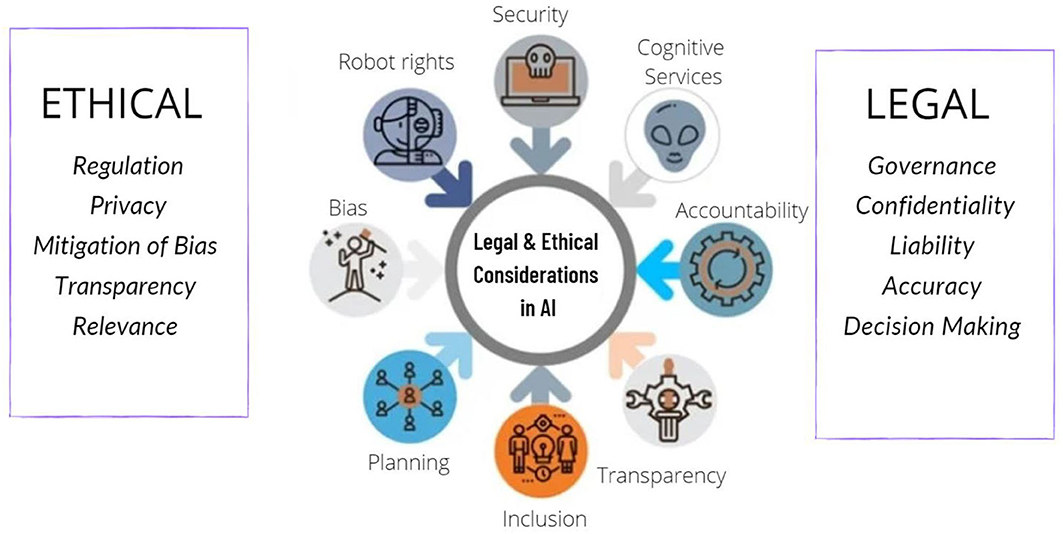
Understanding the ethical implications is essential for building a safe, fair, and trustworthy future.
⚖️ 1. Bias and Fairness
AI systems learn from data, and if the data contains biases, the AI will reproduce them.
This can lead to unfair outcomes in:
-
hiring decisions
-
credit scoring
-
law enforcement predictions
-
medical prioritization
-
content moderation
Biased datasets can unintentionally discriminate against groups of people, making transparency and diverse training data essential.
🔐 2. Privacy and Data Protection
AI often requires enormous amounts of personal data.
This raises critical concerns:
-
How is data collected?
-
Who has access to it?
-
How long is it stored?
-
Can it be used without consent?
Users deserve full transparency and control over their information. Without strict privacy standards, trust in AI systems collapses.
🤖 3. Deepfakes and Misinformation
AI can generate hyper-realistic images, voices, and videos that are nearly impossible to distinguish from reality.
Deepfakes can be used for:
-
political manipulation
-
identity theft
-
reputation damage
-
fraud
While AI brings new creative possibilities, it also increases the need for detection tools, regulation, and digital literacy.
💼 4. Job Displacement Concerns
AI automates repetitive tasks, raising fears about job loss.
While AI also creates new roles, societies must prepare for:
-
reskilling workers
-
investing in education
-
supporting transitions to new careers
The ethical challenge is ensuring that technological progress benefits everyone—not just a select few.
🔍 5. Lack of Transparency (Black Box Models)
Many AI systems operate as “black boxes,” making decisions that humans cannot fully understand or explain.
For example:
-
Why was a loan denied?
-
Why was a candidate rejected?
-
Why is one patient prioritized over another?
Ethical AI requires explainability, accountability, and open decision-making frameworks.
⚠️ 6. Autonomous Decision Making
As AI becomes more autonomous, we must define clear boundaries:
-
What decisions should AI be allowed to make?
-
Should autonomous weapons exist?
-
Who is responsible if an AI system causes harm?
Legal and moral accountability becomes complex in a world where machines make independent choices.
🌍 7. Global Inequality
AI development is concentrated in a few countries and tech giants.
This creates risks:
-
widening economic inequality
-
unequal access to AI benefits
-
dominant power structures that influence global politics
Ethical AI requires fair access, shared progress, and global collaboration.
🧭 8. The Need for Responsible AI
To navigate these challenges, organizations must adopt frameworks based on:
-
transparency
-
fairness
-
privacy protection
-
human oversight
-
accountability
-
ethical data use
Platforms like StyonArt.com demonstrate how AI can be used responsibly—enhancing creativity and productivity while maintaining user trust and transparency.
🔮 Conclusion: Building a Future We Can Trust
AI has incredible power to improve lives, unlock innovation, and elevate human potential.
But without ethical guidelines, it can also amplify risks and inequalities.
The future of AI must be ethical, transparent, and human-centered.
Artificial Intelligence should work for people, not against them.