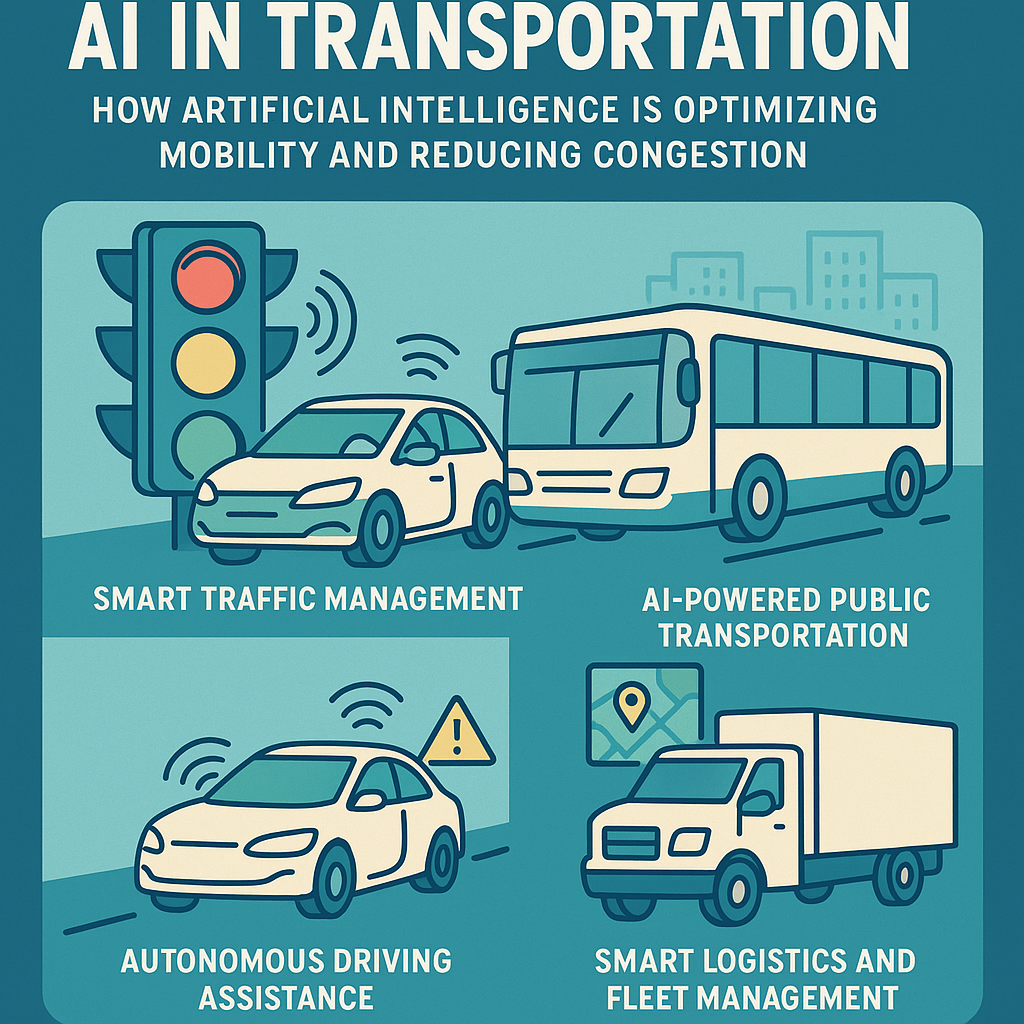
Artificial Intelligence is the core technology powering autonomous vehicles, enabling them to see, analyze, and react to the world around them.
From self-driving cars to autonomous delivery robots, AI is transforming transportation into something safer, smarter, and more efficient.
Here’s how AI is reshaping the future of mobility.
🚗 1. Computer Vision for Object Detection
AI allows autonomous vehicles to recognize:
-
pedestrians
-
other vehicles
-
road signs
-
lane markings
-
obstacles
This real-time awareness is crucial for safe navigation.
🧠 2. Machine Learning-Based Decision Making
AI helps vehicles make complex decisions by analyzing:
-
speed
-
distance
-
traffic patterns
-
road conditions
-
route predictions
Vehicles adapt to real-world situations just like human drivers.
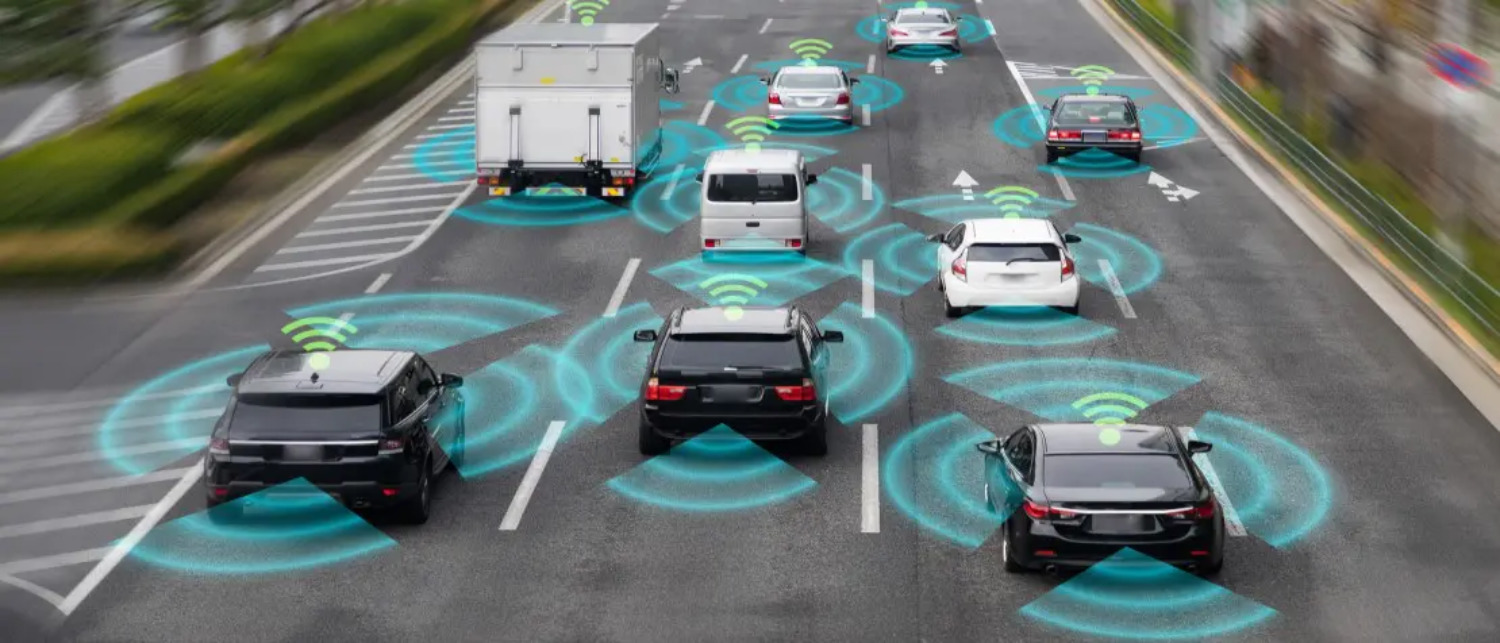
🌐 3. Sensor Fusion Technology
Autonomous systems combine data from:
-
cameras
-
radar
-
LiDAR
-
ultrasonic sensors
Together, these create a complete 360° understanding of the environment.
📡 4. Vehicle-to-Everything (V2X) Communication
AI enables communication with:
-
traffic lights
-
nearby vehicles
-
pedestrians’ devices
-
road infrastructure
This reduces collisions and improves traffic flow.
🚦 5. Real-Time Traffic and Route Optimization
AI evaluates live traffic conditions to:
-
avoid congested routes
-
reduce travel time
-
lower fuel consumption
-
improve driver comfort
Autonomous vehicles learn the best routes automatically.
🛠️ 6. Predictive Maintenance for Self-Driving Cars
AI analyzes sensor data to predict:
-
mechanical failures
-
battery issues
-
tire wear
-
braking problems
Maintenance becomes proactive rather than reactive.
📦 7. Autonomous Delivery Systems
AI powers:
-
delivery drones
-
sidewalk robots
-
automated vans
These systems reduce delivery times and operational costs.
🛡️ 8. Safety and Accident Prevention
AI enhances safety by detecting:
-
sudden road hazards
-
aggressive drivers
-
unexpected obstacles
-
dangerous conditions
Autonomous systems respond instantly to prevent accidents.
📊 9. Data Collection and Continuous Learning
Every self-driving trip helps vehicles learn by collecting:
-
driving patterns
-
traffic behavior
-
weather effects
-
road dynamics
This leads to safer and more reliable performance over time.
⚠️ 10. Ethical and Regulatory Challenges
AI in autonomous driving must address:
-
accident responsibility
-
privacy concerns
-
legal frameworks
-
bias in training data
Regulation and transparency are essential for public trust.
🔮 Conclusion: AI Is Steering the Future of Mobility
Artificial Intelligence is not just assisting drivers — it’s redefining what driving means entirely.
The future of transportation will be:
-
autonomous
-
safer
-
more efficient
-
eco-friendly
-
deeply AI-driven
Just as StyonArt.com uses AI to accelerate creativity, AI in autonomous vehicles accelerates the future of global mobility.