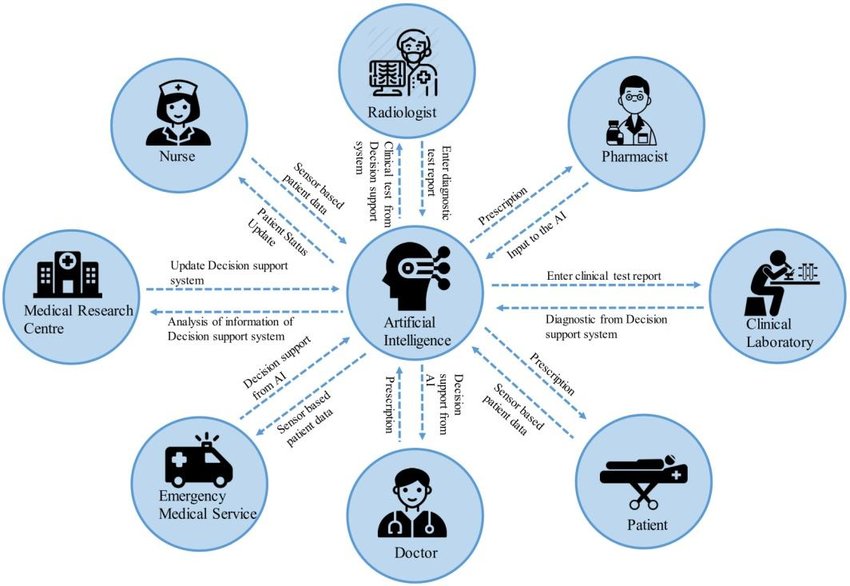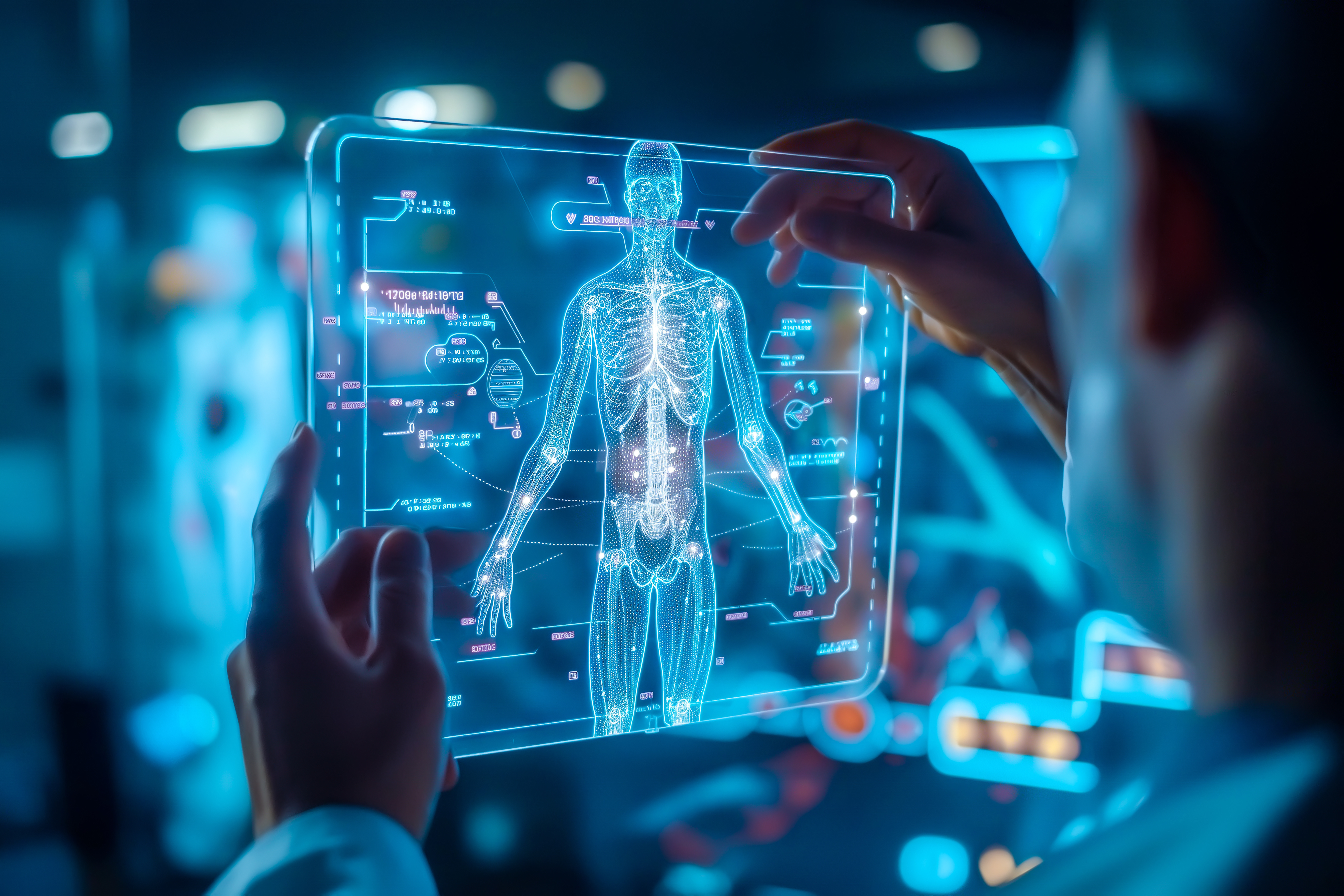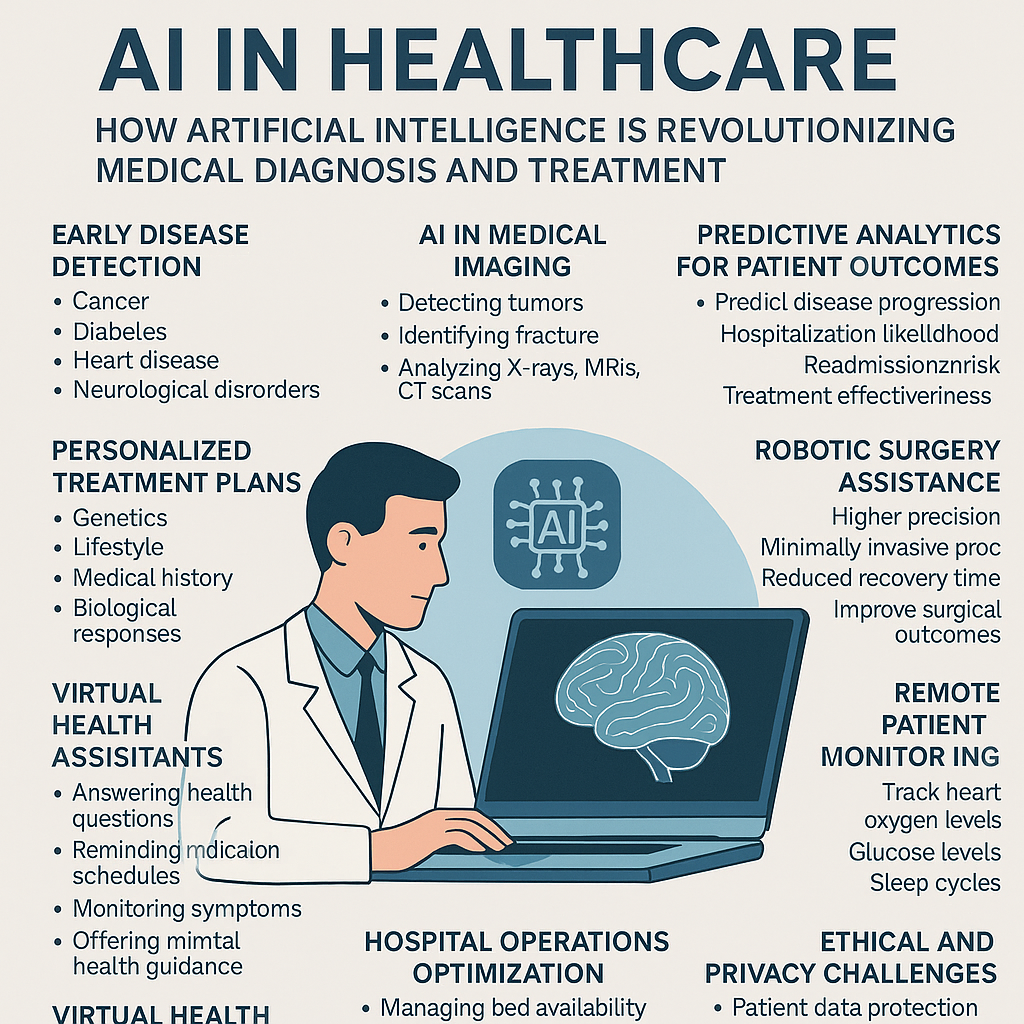
Artificial Intelligence is transforming healthcare by helping doctors diagnose diseases earlier, personalize treatments, and improve patient outcomes.
From medical imaging to predictive analytics, AI is reshaping the future of medicine.
Here’s how AI is changing modern healthcare.
🧬 1. Early Disease Detection
AI detects early signs of diseases such as:
-
cancer
-
diabetes
-
heart disease
-
neurological disorders
It analyzes medical data faster and more accurately than traditional methods.
🩻 2. AI in Medical Imaging
AI enhances image-based diagnostics by:
-
detecting tumors
-
identifying fractures
-
analyzing X-rays, MRIs, CT scans
-
highlighting abnormalities
Doctors get clearer, faster, and more reliable interpretations.
🧠 3. Predictive Analytics for Patient Outcomes
AI predicts:
-
disease progression
-
hospitalization likelihood
-
readmission risk
-
treatment effectiveness
Hospitals can intervene earlier and reduce complications.
💊 4. Personalized Treatment Plans
AI tailors medical treatments by analyzing:
-
genetics
-
lifestyle
-
medical history
-
biological responses
Patients receive treatments that fit their unique needs.
🤖 5. Robotic Surgery Assistance
AI-powered robots provide:
-
higher precision
-
minimally invasive procedures
-
reduced recovery time
-
improved surgical outcomes
Surgeons gain enhanced control and accuracy.
💬 6. Virtual Health Assistants
AI assistants support patients by:
-
answering health questions
-
reminding medication schedules
-
monitoring symptoms
-
offering mental health guidance
Healthcare becomes more accessible and proactive.
🧪 7. Drug Discovery and Research
AI accelerates drug development by:
-
simulating chemical reactions
-
predicting drug effectiveness
-
identifying potential side effects
-
reducing research costs
New medicines reach the market faster.
🩺 8. Remote Patient Monitoring
AI tracks real-time health data such as:
-
heart rate
-
oxygen levels
-
glucose levels
-
sleep cycles
Doctors can monitor high-risk patients from anywhere.
⚕️ 9. Hospital Operations Optimization
AI improves hospital workflows by:
-
managing bed availability
-
optimizing staff schedules
-
predicting resource demand
-
automating administrative tasks
This reduces waiting times and enhances patient care.
⚠️ 10. Ethical and Privacy Challenges
AI in healthcare must address:
-
patient data protection
-
unbiased AI algorithms
-
transparency
-
regulatory compliance
Responsible implementation ensures safety and trust.
🔮 Conclusion: AI Is the Future of Medicine
Artificial Intelligence is enhancing the accuracy, speed, and personalization of medical care — improving outcomes for patients and efficiency for healthcare providers.
The future of healthcare will be:
-
data-driven
-
predictive
-
personalized
-
minimally invasive
-
deeply AI-powered
Just as StyonArt.com uses AI to elevate creativity, AI in healthcare elevates medical innovation globally.