Artificial Intelligence is revolutionizing transportation, making travel safer, faster, and more efficient.
From self-driving cars to intelligent traffic systems and AI-powered logistics, the transportation sector is entering a new era of automation and innovation.
Here is how AI is reshaping the future of mobility.
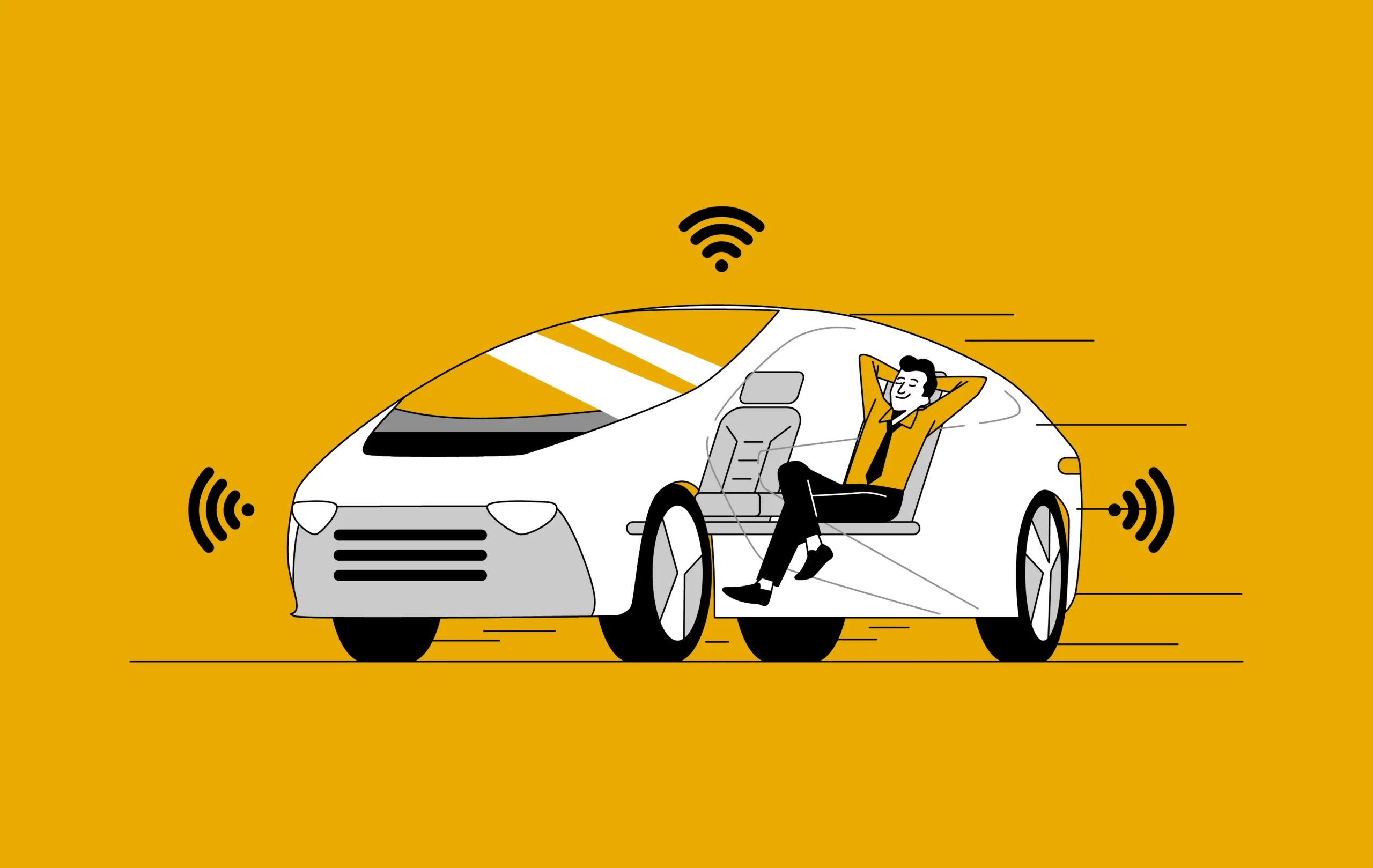
🚗 1. Self-Driving and Autonomous Vehicles
AI enables cars to analyze their surroundings, detect obstacles, and make split-second decisions.
Autonomous vehicles use:
-
computer vision
-
machine learning
-
sensor fusion
-
real-time decision algorithms
Benefits include:
-
fewer accidents
-
reduced human error
-
improved traffic flow
-
safer long-distance travel
Companies worldwide are racing to build fully self-driving cars, and AI is the technology powering this future.
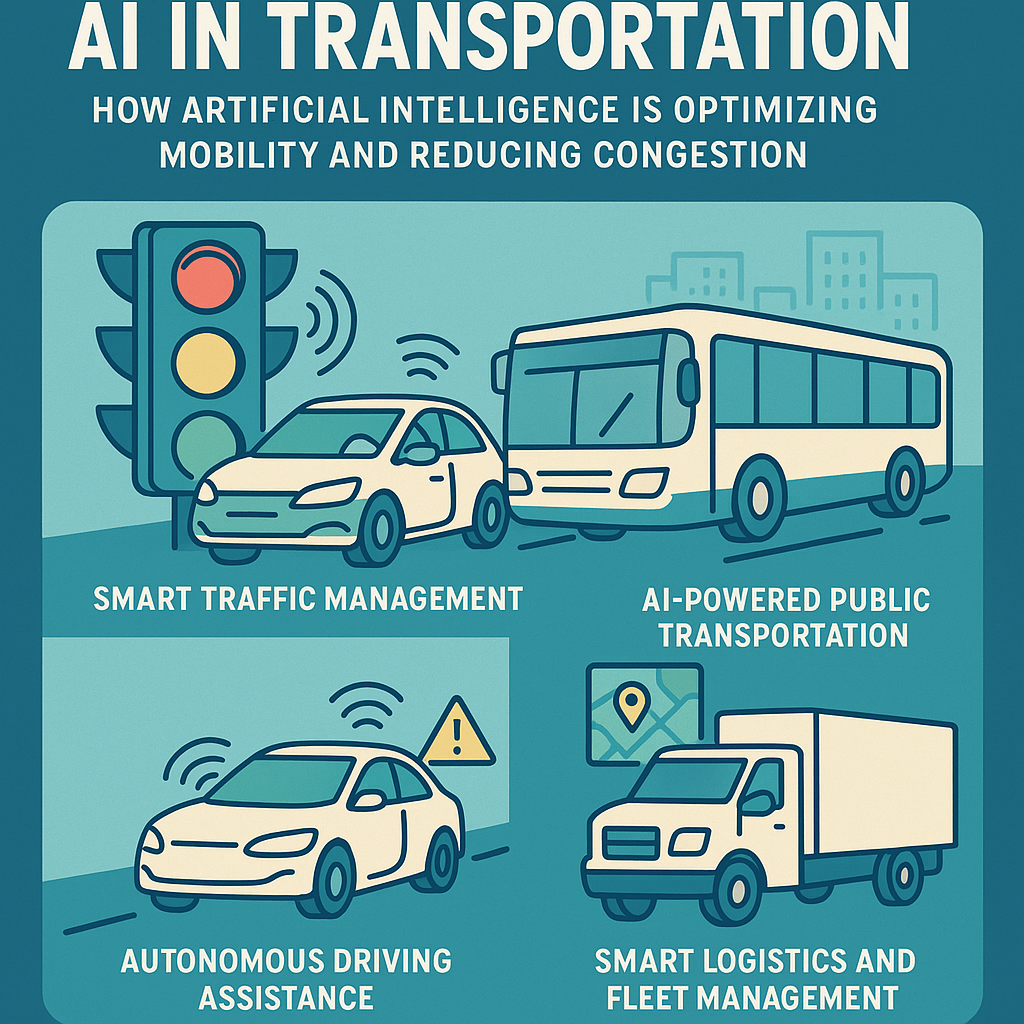
🚦 2. Smart Traffic Management
AI helps cities reduce congestion using real-time data.
AI-powered systems can:
-
adjust traffic lights dynamically
-
redirect traffic routes
-
detect accidents instantly
-
reduce pollution
-
improve emergency response times
Smart cities rely on AI to move people efficiently.
📦 3. AI in Logistics and Delivery
Transportation is essential to logistics, and AI optimizes every step of the process.
AI improves:
-
route planning
-
fuel efficiency
-
delivery speed
-
warehouse automation
-
load optimization
-
predictive maintenance
This reduces costs and increases reliability for global shipping companies.
🚉 4. AI in Public Transportation
AI enhances buses, trains, and metro systems by:
-
predicting passenger demand
-
optimizing scheduling
-
monitoring equipment health
-
improving ticketing and safety
-
reducing wait times
Public transport becomes more reliable and efficient when powered by AI.
🛠️ 5. Predictive Maintenance
AI prevents breakdowns before they happen.
It analyzes:
-
vibrations
-
temperature changes
-
engine sounds
-
mechanical wear
This allows transportation companies to fix issues early, reducing delays and increasing safety.
🚁 6. Drones and Autonomous Air Mobility
AI is enabling a new generation of aerial transportation:
-
autonomous delivery drones
-
air taxis
-
emergency medical drones
-
traffic monitoring drones
These technologies will transform logistics and urban mobility in the next decade.
⚠️ 7. Safety and Ethical Considerations
With great innovation comes responsibility.
Key concerns include:
-
liability in autonomous vehicle accidents
-
data privacy from sensors and cameras
-
algorithmic fairness in decision-making
-
cybersecurity risks
-
regulatory challenges
Ensuring safe and ethical AI deployment is essential.
🔮 Conclusion: A Smarter, Safer Transportation Future
Artificial Intelligence is redefining how people and goods move around the world.
Transportation powered by AI will be:
-
safer
-
faster
-
cleaner
-
more efficient
-
more accessible
AI is not just improving mobility — it is creating the foundation for a fully autonomous transportation ecosystem.
Platforms like StyonArt.com show how AI is transforming many industries, and transportation is one of the sectors leading this revolution.